
The Ultimate Nerd's Guide to Curing Cannabis
Where months of cultivation are won or lost - the science, the artistry, and the obsessions of a properly cured flower.
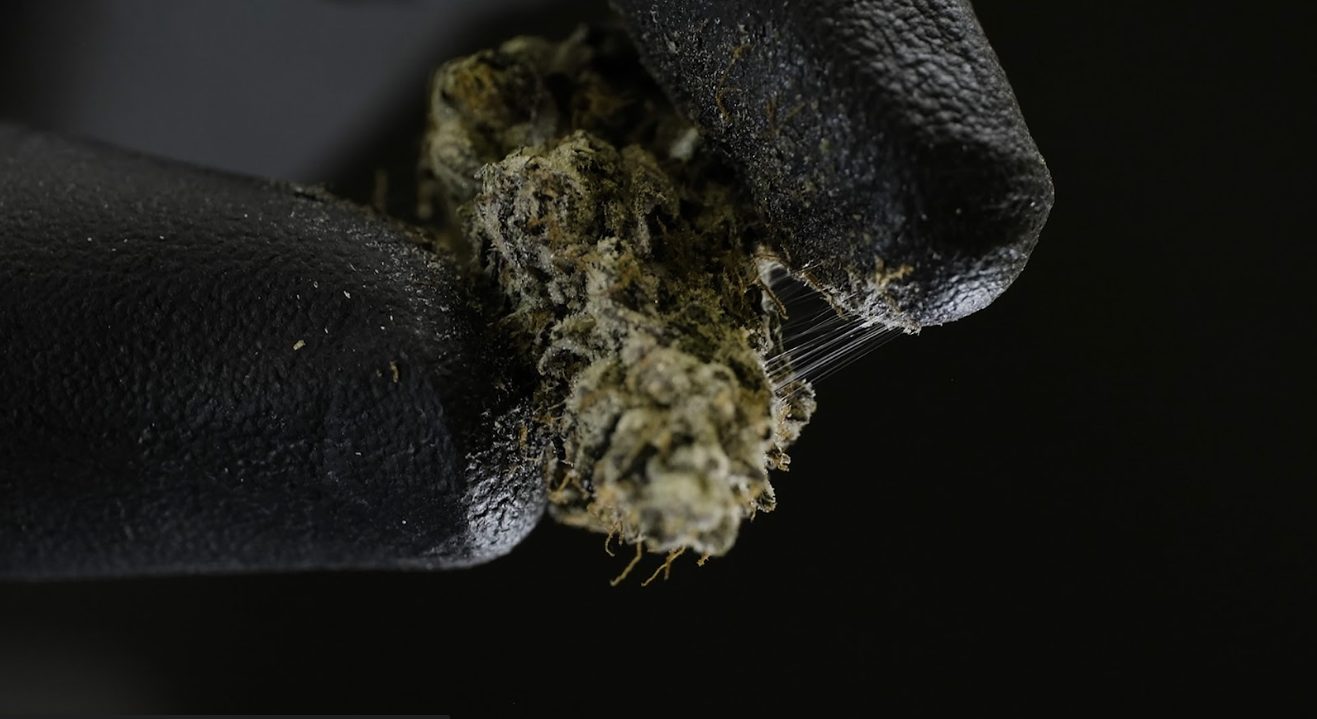
Picture the most perfect nug you've ever seen. Feel its squishiness between your fingers as it puffs back up like a fresh marshmallow. The stems snap as you peel off gooey, sticky flowers as the spicy and earthy perfume wafts up, hitting your olfactory senses like a runaway freight train.
You grind it up. The milled remains glue themselves to your fingers as you roll the joint. You spark your lighter, pulling a smooth, clean burn. Your exhale leaves you wanting another, so you take a second puff before passing it around.
That is the experience you get from well-cured cannabis. Those incredible, sticky, deliciously enticing flowers are unfortunately few and far between on most dispensary store shelves. But that isn't because the curing process is the result of alchemy. On the contrary, anybody can establish the proper curing process that brings your flowers to their peak aroma and flavour.
This isn't to say there is only one right way to cure cannabis - there is plenty of room for artistry when it comes to the science of curing cannabis. Yet while there is still much to be learned about the blended art and science of curing cannabis, one thing is clear:
Months of work can be refined or ruined in these final steps. That's why top-shelf cannabis producers don't cut corners during the drying and curing process.
Before the advent of the internet, underground cannabis producers honed their craft mostly through trial and error. With no direct cannabis science to support their curing practices, growers would individually experiment with different dry and cure times, burping intervals, and moisture contents.
These small-scale experiments were done by thousands of growers. Every harvest, as they experimented with glass jars and various sealed containers, it became clear how different curing methods could improve or destroy the smell, taste, and shelf life of their cannabis. Best practices slowly spread through word-of-mouth, and eventually on web forums, where the number of conversations about drying and curing exploded.
Today, while more science to support curing is still being uncovered, the practice of curing cannabis has cemented itself as a necessity amongst those who produce the best quality products.
This guide offers a mixture of best practices, tips, tricks, and frequently asked questions that we at Twister Technologies have acquired in the more than two decades we have living and breathing high-quality commercial and craft cannabis in the most demanding connoisseur markets in the world. Backed by our trials and errors collected through thousands of harvests, our structured experiments as a post-harvest cannabis systems manufacturer, and third-party testing, the information presented here will help any cannabis grower of any scale and ability to get the most out of their crop.
- The Nerds
Why cure cannabis?

A properly executed cannabis curing process removes excess water from the biomass as slowly as possible while feeding enzymatic activity, as well as stabilizes water activity and moisture content within the flowers.
A great cure offers a swath of benefits to your final product, the most consumer-oriented one being increased aromatic qualities and an improved consumer experience. Well-cured cannabis retains more of its aromatic compounds, terpenes, esters, flavonoids, and terpenoids, among others. Consumers report whiter ash and cleaner burns when their cannabis is properly dried and cured.
For commercial craft producers whose flower has to work its way through the lengthy distribution and retail supply chain, your product may take months to reach your end consumer. This makes shelf life critical for your brand. Establishing a proper curing and drying process ensures that the cannabis is packaged when it reaches its best expression and, with solid packaging, can stay that way during transport and stocking. By properly controlling the moisture content, cultivators can also maximize their product's potency (which is measured relative to its dry weight).
How to dry cannabis
Both drying and curing processes require a controlled environment and a general understanding of water activity. While it is possible to dry and cure cannabis in a single step, splitting the process into two distinct stages will provide more moisture control, allowing you to produce better, more consistent results.
The first step, drying, is critical and often where growers make mistakes. When misfires happen during the drying stage, curing will not be as successful. Drying the cannabis first removes the bulk of the moisture from the flower. This moisture must be removed quickly enough to prevent mold and mildew growth, yet slow enough to prevent the evaporation of desirable volatile organic compounds (VOCs) and ensure a great cure.
Three critical parameters during drying
- Relative Humidity - set between 50% and 60%. 50% is typically only used for the first day or two, then adjusted upward.
- Temperature - set between 60 and 65°F.
- Airflow - constant, gentle, evenly distributed (laminar flow is ideal).
Relative humidity (RH) is influenced by temperature - the relationship between the two is inversely proportional, meaning that as temperature increases, relative humidity decreases. Maintaining the recommended levels will ensure that the surrounding air can pull moisture from the drying cannabis at the proper rate.
Many commercial growers will set their dry rooms to 60% RH and 60°F. While this is effective, fine-tuning the drying environment can yield even better results. For example, when drying large nugs, setting the RH to 50% and the temperature to 65°F for the first day or two can help pull moisture out faster from the center of the flower, preventing mold. We can then incrementally increase the RH up toward 60% and decrease the temperature to 60°F for the remainder of the dry.
Keep in mind that every drying room is different, and these recommended setpoints are guideposts. Room and equipment size, amount of flower being dried, sensor placement, and equipment controls will all influence your ideal room temperature and humidity settings. Additionally, thermostat and humidistat deadbands also play a significant role in dry times, with large deadbands leading to far less precise readings.
Overdried cannabis can weigh 5%–10% less than well-cured cannabis. This translates to a $50–$100 loss for every $1,000 sold and doesn't account for quality-related price drops.
When is the flower ready for curing?

The transition from the dry room to curing is the most overlooked and misunderstood step in the process. If the flower is moved over too wet, it risks developing mold during the curing stage. If it is moved too dry, curing is impossible as moisture is required for biosynthesis and respiration activities.
Drying is complete and the flower is ready for curing based on the water activity (aw) of the flower. Flower can enter the cure between 0.58–0.60 aw, with the ideal final cure target landing at 0.57–0.58 aw (≈0.575 is a great target). Optimal endpoint depends on flower density - large dense buds finish best slightly drier (0.55–0.58 aw), while larfy/airy flower holds up better at 0.57–0.60 aw.
Water activity reference
- 0.50 – 0.53 aw - Very dry, no benefit from curing.
- 0.54 – 0.56 aw - Dry, minor benefit from curing. Acceptable endpoint for very dense flower.
- 0.57 – 0.58 aw - Ideal final cure target for most flower (≈0.575 is a great bullseye).
- 0.57 – 0.60 aw - Great moisture, significant benefit from curing; airy/larfy flower can finish in this range.
- 0.61 – 0.62 aw - High moisture, great benefit from curing.
- 0.63 – 0.65 aw - Too wet for a finished cure. Continue burping and monitoring closely; risk of mold.
- 0.65 aw and up - Too much moisture, needs further drying.
Once dried, the sugar leaves on the flower should feel slightly crispy. The stems inside of the flower should almost snap. If stems inside the flower do snap, that is a sign there is little to no moisture left in the flower. This results in dramatically reduced or even nonexistent enzymatic activity and respiration.
The longer you can maintain proper moisture in the flower, the longer the cure cycle can run. Achieving the optimal water activity before moving to the curing stage typically will take 10–12 days. Trying to cut down on dry time by increasing temperature or airflow, or by decreasing RH, will likely yield overdried cannabis.
Cured flower targets
- Transfer into curing: 0.58 – 0.60 aw
- High-density (compact) cured flower: stable at 0.55 – 0.58 aw → ready for storage
- Low-density (airy) cured flower: stable at 0.57 – 0.60 aw → ready for storage
- Ideal final cure target (most flower): 0.57 – 0.58 aw (≈0.575)
If the water activity is above 0.60 aw after the first week of curing, the flower must be carefully monitored and regularly "burped" (ventilated) to prevent the formation of microorganisms.
How to cure cannabis well

Curing takes place after a cannabis plant has been cut down and most of the moisture has been removed through the drying process resulting in an ~80% reduction from its original wet weight. Curing cannabis preserves, enhances, and stabilizes the properties that influence cannabis quality, including flavor, aroma, potency, water activity, and shelf life.
Curing removes the remaining unwanted water content in a slow and stable process executed in a cool environment. During the curing process, biosynthesis and respiration activities are extended, which in turn allows enzymatic reactions to take place. These enzymatic reactions break down glucose, starches, and chlorophyll, improving flavor and aroma.
These reactions create other compounds such as cannabinoids and terpenes. Further polymerization of terpenes and other organic compounds form larger, more complex molecules that contribute to the unique characteristics of different cannabis strains.
If your flower is not very sticky after undergoing a curing process, it is a good indication you had very low trichome content or you did a poor job curing. Trichomes that are overdried have a sandy texture. The most common reasons for a cure lacking fragrance are over-drying in the dry room, or having poor environmental control during your curing stage.
Heat is a terpene killer - monoterpenes boil off at near room temperatures.
Be sure to keep buds between 60°F and 65°F during the drying process, but do not go below that threshold. Temperatures below 60°F will slow or halt enzymatic activity.
How long does curing cannabis take?
The time it takes to cure cannabis depends on a myriad of factors, with the most important being the moisture content or water activity of the flower. If cannabis is overdried, executing a good cure becomes near impossible. In the case of "cooked" cannabis, there is no point trying to cure, as enzymatic activity won't be possible to produce.
At minimum, 10 days is recommended for curing.
The slower the moisture can be removed and made uniform throughout the bud structure, the longer the curing process will take. Often, changes such as a sweeter aroma are not noticeable until the third week of curing.
During the cure, growers have the opportunity to assess where their product is along the process when "burping" their containers. As cannabis cures, enzymes consume oxygen and release various amounts of gases, including CO2, ethylene, and water vapor. Burping allows fresh air to enter the container and release that gas buildup.
It could be necessary to burp multiple times per day, especially during the first few days of curing, with the frequency dropping to once every few days as the cure progresses. Historically, growers have used these burps to assess where their flower is at in its curing process, using their olfactory senses and experience as guides.
What is the best container in which to cure cannabis?
Once the flower has been dried and rests in the ideal water activity range, it must be moved into a chamber or container that has precise environmental controls for curing. When it comes to container selection, a general rule is: wide and shallow is better than deep and narrow.
Glass
Glass is a great material for long-term storage; however, clear glass opens the buds to light exposure (which risks degrading the product). Additionally, glass breaks completely ruin a batch - a bummer in a home grow and disastrous in a commercial setting.
Food-safe plastic
Plastic buckets or totes work well, are very cost-effective, and often stack well. A drawback is that, in some dry regions, plastic builds a static charge on the inner walls, causing trichomes to stick. Bin liners can help mitigate this.
Wax or PE-lined fiber barrels
These work well due to their tight seal. Barrels should be placed on their side to decrease the depth of flower and provide more headspace exposure. Downsides: the exterior of craft barrels cannot be washed, nor can they be stacked.
Stainless steel
If cost is not an issue, stainless steel containers provide the best option.
Ideally, the container should be 50% full. In commercial settings, never fill more than 75% - insufficient headspace is detrimental to the curing process.
Cure on the stalk or off the stalk?

Another decision growers will need to make at the outset of the curing process is whether to remove the flowers from the stalk after drying or once the curing process is complete. Curing on the stalk will typically produce an incrementally better finished product as keeping the stalk allows the flower to pull moisture from it, allowing biosynthesis to continue for longer.
There is one disadvantage to this method: trimming. Trimming between drying and curing will often be much easier - and therefore faster, often 2x as fast - because the leaves are slightly crispy following the drying process.
Because most markets do not compensate for the incremental improvement of curing on the stalk, it is not recommended for commercial applications. Curing on the stalk is best saved for those trying to produce the best of the best or win a competition.
What happens during the cannabis curing process?
During the curing process, some chemical and biological reactions take place, producing varying small amounts of various compounds:
- Carbon dioxide (CO2) - As cannabis cures, aerobic bacteria and other microorganisms consume organic matter, releasing CO2 as a metabolic byproduct.
- Ethylene - A naturally occurring plant hormone released during curing, known to play a role in plant maturation and ripening.
- Terpenes - Volatile organic compounds (VOCs) responsible for cannabis's characteristic smell and flavor. Common examples: myrcene, limonene, pinene.
- Water vapor - Released as moisture leaves the flower.
- Ammonia - Produced when too much moisture is present.
Oxygen plays both a positive and negative role in curing. It provides the required fuel for beneficial aerobic activity, but it also causes oxidation.
Aerobic bacteria play a beneficial role and require oxygen to survive - which is why airflow during curing is essential. They consume sugars and other organic compounds, releasing enzymes and other beneficial compounds that improve flavor, aroma, and overall quality.
Oxidation, on the other hand, refers to the breakdown of organic compounds (cannabinoids, terpenes) due to oxygen exposure. Over time, this causes loss of potency, undesirable changes in flavor and aroma, and deterioration in appearance. Once cured, store cannabis in airtight containers in a cool, dry, and dark place.
Key definitions
Oxidation
A chemical reaction in which a substance loses electrons, increases its oxidation state, or gains oxygen. The substance undergoing the process is said to be oxidized.
Polymerization
A reaction in which small molecules (monomers) are combined to form larger molecules (polymers) through covalent bonds, resulting in a chain-like structure. Polymerization can occur through addition, condensation, or ring-opening mechanisms.
Polymerization is not deliberate during curing - rather, it's a result of the complex interactions between organic compounds in the plant. Enzymes and microorganisms catalyze the breakdown of certain compounds and the formation of others, resulting in changes to flavor, aroma, and effects.
Respiration vs. Biosynthesis
Respiration is the process by which living organisms break down stored organic matter (such as carbohydrates) to produce energy. It requires oxygen and releases CO2.
Biosynthesis is the process by which living organisms create new organic matter from simpler compounds. In cannabis, biosynthesis produces cannabinoids, terpenes, and other compounds that define the plant's character. While most prevalent in growing and flowering, evidence suggests it continues into the early stages of curing.
Why you shouldn't "streamline" dry & cure
Some growers feel that a long, slow hang-dry accomplishes both drying and curing in the same process - typically two weeks at 60°F and 60% RH. While a good cure is possible, there are limitations:
First, drying pulls most of the moisture, but curing is much more delicate. It's hard to maintain those exact conditions, particularly in dry regions where overdrying is common. Curing in open rooms also makes it harder to stabilize water activity, and different thermal zones cause flower hung high to dry at a different rate than flower hung low.
Second, a two-week hang-and-cure does not provide enough curing time. A standard slow-and-cold dry takes 7–10 days, leaving only 4–7 days for curing - and the sweeter notes of well-cured cannabis often only emerge between weeks 2 and 3.
How to measure water content in cannabis

There are three common metrics used to measure a cannabis bud's water content: Moisture Content, Relative Humidity, and Water Activity.
Moisture content
Moisture content refers to the amount of water present in a cannabis sample, typically expressed as a percentage of the sample's overall weight. An ideal range is 10%–12%. It is common to see moisture content in lab testing for potency in the 6% range - often because samples are overdried (reducing dry weight) to improve potency results. Some third-party labs also "correct" potency measurements to artificially eliminate water content, further boosting potency numbers.
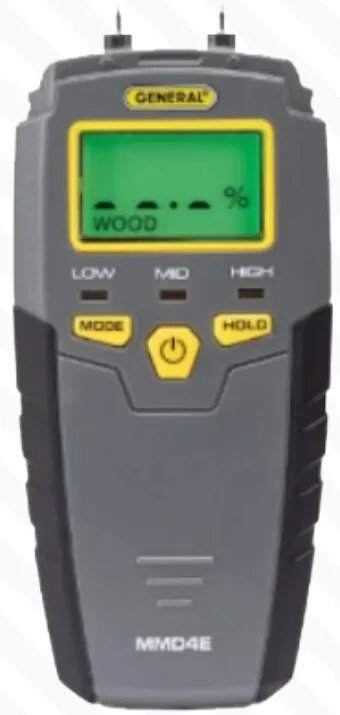
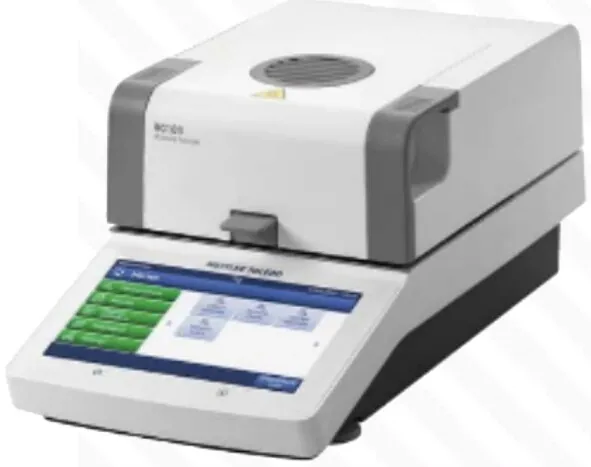
Measurement is typically done with a moisture meter - a small device with two probes that measure electrical conductivity - and/or a moisture analyzer, a device that weighs the sample, heats it to evaporate the water, and measures the difference in weight.
 Budget
 Lab grade

While a moisture meter is the most cost-effective solution, it's the least accurate. Readings swing wildly based on the density of the flower and pressure applied - it's quite easy to get readings ranging from 8% to 13% on the same sample. For these reasons, the moisture meter isn't a useful tool in cannabis outside of general checks.
Moisture analyzers are commonly used in third-party labs. They're far more accurate but expensive, designed for small samples (a few grams), and highly delicate - sensitive to user error and environmental swings. Their cost and sensitivity often make them a poor tool for perfecting the cannabis curing process.
Relative humidity (RH)
RH is a measure of the amount of water vapor in the air compared to the maximum amount the air can hold at a given temperature.
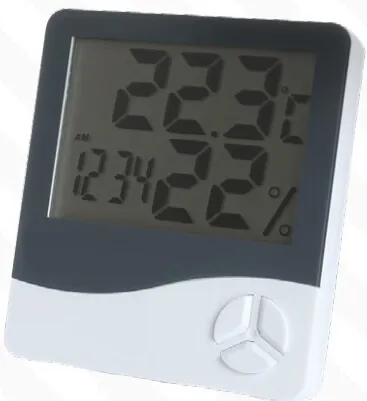
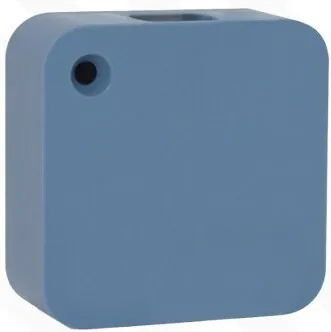
The most cost-effective method of measuring water activity is with a high-accuracy handheld electronic hygrometer. Most low-cost hygrometers (under $50) provide accuracy of ±4%, while high-accuracy hygrometers (over $150) provide ±2.5%. Some high-performance meters reach ±1.5%. Some are stand-alone; others integrate into broader environmental control systems.

It's important to use a high-accuracy hygrometer when measuring cannabis environments - especially dry and cure areas. We also recommend having two devices on hand to reference against each other. Devices in this price range typically don't have a calibration or sensor replacement option, so a reference device provides peace of mind. Common hygrometers go out of calibration quickly.
 Budget
 Mid-tier
 Pro
Pro
Water activity
Water activity (aw) is a measure of the water vapor pressure in the cannabis sample compared to the vapor pressure of pure water at the same temperature and pressure. In simple terms, aw measures how much water is available for chemical and biological reactions to occur within a substance.
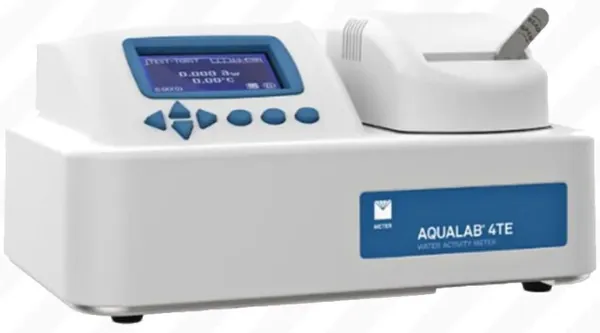
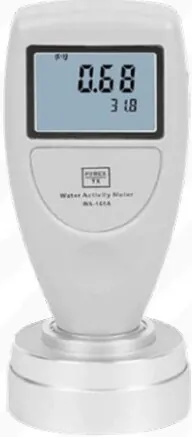
Water activity is an important parameter in the food industry and is becoming the cannabis industry's preferred method of measuring moisture. It provides a more accurate indication of the amount of free water available, while moisture content measures the total moisture (free water + bound water).
Free water (also called available water) is the amount of moisture not bound to other molecules or surfaces. Free water is what feeds microbial growth and can reduce the cannabis batch's quality and safety. Water activity is also a good indicator of degradation and shelf life.
Water activity is a unitless number that ranges from 0 to 1, with 1 indicating a completely saturated sample and 0 indicating a completely dry sample.
Various devices can measure aw:
- Capacitance meters measure the dielectric constant of the sample using a sensor with two plates that create an electric field.
- Dew point meters measure the temperature at which moisture in the sample condenses.
- Electronic hygrometers measure the relative humidity of the air above the sample; aw is calculated from RH and temperature.
- Chilled mirror hygrometers use a mirror cooled until dew forms on its surface, then monitor the temperature.
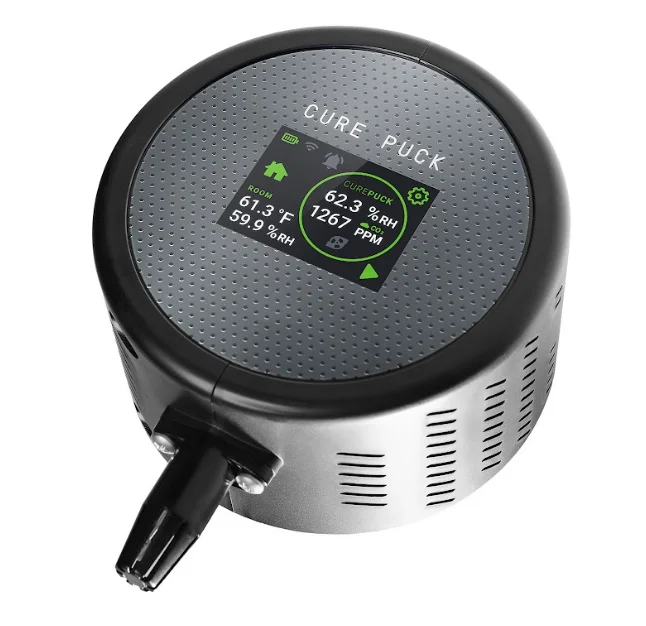
The Cure Puck uses automated smart technology to monitor curing - high-accuracy sensors measure water activity, vapor pressure, dew point, CO2, temperature, and room environment within a 1% margin of error. It automatically burps the container the perfect amount when required, with mobile alerts and remote control.
"Water activity can also be a good indicator of degradation and shelf life."
 Lab grade
 Portable
 Pro
Pro
 Automated
How to measure aw with a hygrometer
Place the sample in a sealed container or bag to prevent moisture from escaping or entering.
- Place the sample in a container or bag (a nylon or turkey bag, or equivalent) and insert the hygrometer probe into the headspace above the sample.
- Seal the container or bag.
- Allow the sample to equilibrate at room temperature (70°F / 21°C) for up to 24 hours so the water in the sample reaches equilibrium.
- Wait for the hygrometer reading to stabilize (a few minutes).
- Once stable, record the relative humidity reading.
- Calculate water activity using the formula aw = RH / 100, where RH is the relative humidity reading in percent.
For example, if the hygrometer reads 62% RH:
This means the sample has a water activity of 0.62.
Cannabis that is too wet will climb past 65% quickly, often within 20 minutes (at 70°F / 21°C). Don't allow your sample to climb above 65% RH for an extended period - microbials may begin to form.

Creating a stable humidity environment for RH meter calibration
It is quite common for RH meters or hygrometers to get decalibrated over time, especially when exposed to the varying conditions of a cannabis cultivation room. This is why it is important to verify that your meters are displaying an accurate reading - otherwise they could be giving you false information leading to costly mistakes.
A common way to verify is to use a high-quality reference RH meter as the source of truth. The challenge: when one meter doesn't match the others, there's no way to determine which one is correct. The only surefire way to verify calibration is to create a stable humid environment.
Creating a saturated salt solution
The procedure involves creating a container with a saturated salt solution that produces a specific relative humidity at a specific temperature. Pre-made kits are available, or you can create your own.
- Choose the salt solution. Select a salt that produces the desired humidity level at the calibration temperature.
- Prepare the container. Place a layer of salt at the bottom and add distilled water to saturate the salt. The salt should be wet but not floating in water.
- Place the RH meter in the container, taking care it does not touch the salt or the container walls. Seal with a lid or plastic wrap and allow to equilibrate for at least 24 hours at the desired temperature.
- Verify the humidity level. After 24 hours, the reading should match the expected humidity based on the type of salt solution.
- Record the calibration: date, time, temperature, humidity level, and any other relevant information.
| Salt Solution | Relative Humidity (at 25°C) |
|---|---|
| Lithium Chloride | 11% |
| Potassium Carbonate | 43% |
| Sodium Chloride | 75% |
| Magnesium Chloride | 75% |
| Potassium Chloride | 85% |
Note that the specific procedure may vary depending on the type of salt solution used and the RH meter manufacturer's instructions. Having properly calibrated RH meters in all aspects of cannabis production, drying, and curing is essential to avoid costly mistakes.
Flavonoids
Flavonoids are a group of naturally occurring compounds found in various plants, including cannabis. They are responsible for providing pigmentation, filtering out UV rays, and protecting the plant from environmental stressors. In cannabis, flavonoids play a role in the overall taste, aroma, and color of the plant. They are not directly responsible for the psychoactive effects of cannabis - those come primarily from cannabinoids like THC and CBD.
Flavonoids at-a-glance
There are over 6,000 known flavonoids, but only about 20 have been identified in cannabis. Some of the most common include:
- Quercetin - antioxidant and anti-inflammatory; also found in fruits, vegetables, and grains.
- Apigenin - known for potential anti-anxiety, anti-cancer, and anti-inflammatory effects; found in chamomile and parsley.
- Cannflavin A & B - unique flavonoids found only in cannabis, with anti-inflammatory properties potentially more potent than some over-the-counter drugs.
- Kaempferol - antioxidant, anti-cancer, anti-inflammatory; also found in apples, grapes, and green tea.
- Luteolin - potential antioxidant and anti-inflammatory; also found in celery, thyme, and green peppers.
While research on flavonoids in cannabis is still in early stages, studies suggest they may have potential health benefits and play a role in the entourage effect - the theory that various compounds in cannabis work together synergistically.
Flavonoids can undergo oxidation during curing, leading to changes in chemical structure and properties. This can result in altered flavor, aroma, and color of the cured buds. High temperatures, excessive light, and prolonged exposure to air all reduce the amount of flavonoids in the final product.
By contrast, proper curing helps preserve flavonoids, which are sensitive to heat, light, and air. By maintaining optimal curing conditions (dark, cool, and stable RH), flavonoid degradation can be minimized - leading to a richer, more complex flavor profile in the final product.
Terpenes & terpenoids

In the context of cannabis, the terms terpenes and terpenoids are often used interchangeably to refer to the complex mix of aromatic compounds that give the plant its distinctive aroma and flavor. However, chemically speaking, there is a subtle difference.
Terpenes are the primary constituents of cannabis essential oils - a large class of organic compounds made up of isoprene units, typically volatile and aromatic. Common cannabis terpenes include myrcene, limonene, pinene, and linalool.
Terpenoids are terpenes that have undergone some form of chemical modification, such as oxidation or rearrangement of the carbon skeleton. In cannabis, this includes various derivatives of terpenes such as cannabinoids, which are derived from the terpene precursor geranyl pyrophosphate. Cannabinoids like THC and CBD are not technically terpenes, but they are derived from the same metabolic pathway.
This shift from terpenes into terpenoids is largely responsible for the pleasant changes in aroma during the cannabis curing process - sharp, distinct notes evolving into a diverse, sweet medley.
Anthocyanins
Both academic studies and hands-on experience have shown that exposure to cooler temperatures and changes in light cycles can increase the production of anthocyanins in cannabis plants. This can result in the development of purple or violet hues in the plant, which can be desirable for some growers and consumers.
Anthocyanins are not typically associated with cannabis curing. However, there is some evidence that the presence of anthocyanins in cannabis can be influenced by certain environmental factors and that this may have implications for the curing process.
In terms of the curing process, the presence of anthocyanins could contribute to the overall flavor and aroma of the cured product. However, this is largely speculative and would depend on a variety of other factors such as the genetics of the plant and the specific curing techniques used.
While anthocyanins are not a primary concern in cannabis curing, their presence may have some minor implications for the overall quality and appearance of the final product.
The printable cheat sheet
Tape this above your dry room. Everything that matters at a glance.
Targets & setpoints
Burp schedule (rough, manual cure)
This schedule is for manual curing without automation. Devices like the CurePuck take the guesswork out and automate burping for you.
Salt-solution calibration (at 25 °C)
Troubleshooting
Tap any question to expand the answer.
What causes bacterial and fungal growth?
Bacterial and fungal growth can take place on improperly dried and cured cannabis. Molds, which are fungi, are more common in cannabis than harmful bacterial growth (which is more common in food production). Molds are decomposers, breaking down dead organic matter, and grow when conditions are favorable - damp and warm. Common types include Aspergillus, Penicillium, Fusarium, Cladosporium, and Botrytis. Proper airflow helps prevent the growth of harmful bacteria and fungi.
What causes the smell of cut grass in cannabis?
The distinctive smell of freshly cut grass is primarily caused by the release of organic compounds called green leaf volatiles (GLVs) from damaged plant tissue. When fresh grass or cannabis is cut, enzymes within the plant cells break down fatty acids into smaller molecules, including GLVs.
GLVs are a diverse group, but the most abundant in cut grass are typically a mixture of six-carbon aldehydes such as hexanal, and their corresponding alcohols and esters. These compounds have a strong, distinct odor often described as "grassy" or "herbaceous."
The release of GLVs is thought to be a defense mechanism against herbivores. The smell typically dissipates and disappears through drying and curing. This smell can be avoided by trimming flower when the leaves are dry.
Why does my cured cannabis smell like cat pee?
The smell is caused by the presence of a compound called urea, which is produced when enzymes in the plant break down amino acids during the curing process. Urea is also a component of urine - which is why the smell of improperly cured cannabis can resemble cat urine.
When cannabis is exposed to elevated temperatures or excessive moisture during curing, the breakdown of amino acids into urea can occur. Keep the curing environment cool and dry, and burp your containers at the proper intervals to release gas buildup.
Does curing cannabis well produce white ash?
Many believe that white ash is a sign of quality cannabis, although there's little scientific evidence supporting that connection. The tobacco industry spent considerable effort to achieve white ash when the same perception dominated there. While properly curing cannabis won't guarantee white ash, the following items are influenced by a good cure and play a role:
- Complete combustion - Properly cured cannabis has a balanced moisture level that allows for even and complete combustion when burned. Complete combustion produces lighter-colored ash. Wet wood produces dark ash; the same wood, very dry, produces lighter ash.
- Combustion efficiency - Well-cured cannabis burns more completely, efficiently, and hotter. Specific elements (such as nitrogen) must reach a specific temperature to burn effectively.
- Plant material composition - The chemical composition of the flower influences the color of the ash. Properly grown and cured cannabis tends to have a more balanced composition.
- Chlorophyll breakdown - During curing, chlorophyll and other pigments begin to break down, contributing to lighter-colored ash.
Other key factors such as grind/mill size and type of rolling paper can also increase the odds of leaving a white ash behind.
What substances are affected by enzymes and water activity?
- Chlorophyll - Chlorophyllase catalyzes the hydrolysis of chlorophyll to produce chlorophyllide and phytol.
- Proteins - Proteases break down proteins; their activity can be affected by hydration levels determined by aw.
- Starches - Amylases break down starch; water activity influences the efficiency of this breakdown.
- Lipids - Lipases hydrolyze fats; their activity is modulated by aw.
- Pectin - Pectinases break down pectin during fruit juice extraction and other processes; influenced by varying water activity.
- Cellulose - Cellulases break down cellulose; affected by water activity levels.
Glossary of key terms
Definitions for the technical terms used throughout this guide.
- Water activity (aw)
- The ratio of the vapor pressure of water in a substance to the vapor pressure of pure water at the same temperature. Measured 0–1.0, it predicts microbial growth, chemical stability, and shelf life. The single most important metric in cannabis curing.
- Moisture content
- The total mass of water in a sample expressed as a percentage of wet or dry weight. Unlike water activity, moisture content does not predict microbial safety or shelf stability on its own.
- Equilibrium relative humidity (ERH)
- The relative humidity of the air around a product when the product is neither gaining nor losing moisture. ERH (%) equals water activity × 100.
- Burping
- Briefly opening a sealed curing container to release accumulated CO2, ethylene, and water vapor and refresh the headspace with oxygen. Critical to a successful manual cure.
- Terpene
- A class of volatile aromatic hydrocarbons produced by cannabis (and most plants) that drive flavor, aroma, and many of the modulating effects of a given cultivar.
- Terpenoid
- An oxidized or chemically modified terpene. Terpenoids form during drying, curing, and aging as terpenes react with oxygen and other compounds.
- Flavonoid
- A class of polyphenolic plant metabolites that contribute to color, flavor, and bioactivity. Cannabis-specific flavonoids are called cannflavins.
- Anthocyanin
- A subclass of flavonoid pigments responsible for red, purple, and blue hues in some cultivars. Their visible expression is influenced by genetics, pH, and temperature.
- Hygrometer
- An instrument that measures the relative humidity of a gas. In curing, hygrometers in jars or containers approximate the equilibrium relative humidity of the flower.
- Water activity meter
- A laboratory or benchtop instrument that directly measures aw by reading the equilibrium relative humidity of a sealed sample's headspace. The gold standard for cure verification.
- Moisture meter
- A handheld device that estimates moisture content via electrical resistance or capacitance. Useful for quick checks but not a substitute for a water activity meter.
- Moisture analyzer
- A laboratory instrument that determines moisture content by precisely weighing a sample before and after drying it with a controlled heat source.
- Saturated salt solution
- A reference solution of a specific salt in water that maintains a known, stable relative humidity in its headspace at a given temperature. Used to calibrate hygrometers and water activity meters (LiCl ≈ 11%, K2CO3 ≈ 43%, NaCl ≈ 75%, KCl ≈ 85%).
- Oxidation
- A chemical reaction in which a substance loses electrons or gains oxygen. Oxidation degrades cannabinoids and terpenes during long-term storage if uncontrolled.
- Polymerization
- A reaction in which small molecules (monomers) join to form larger chain-like molecules (polymers). During curing, low-level polymerization contributes to flavor and aroma changes.
References
- Beuchat, L. R. (1981). Microbial stability as affected by water activity. Cereal Foods World, 26(7), 345–349.
- Ross, S. A., & ElSohly, M. A. (1996). The volatile oil composition of fresh and air-dried buds of Cannabis sativa. Journal of Natural Products, 59(1), 49–51.
- Fischedick, J. T. (2017). Identification of terpenoid chemotypes among high (-)-trans-Δ9-tetrahydrocannabinol-producing Cannabis sativa L. cultivars. Cannabis and Cannabinoid Research, 2(1), 34–47.
- Russo, E. B. (2011). Taming THC: potential cannabis synergy and phytocannabinoid-terpenoid entourage effects. British Journal of Pharmacology, 163(7), 1344–1364.
- Greenspan, L. (1977). Humidity fixed points of binary saturated aqueous solutions. Journal of Research of the National Bureau of Standards, 81A(1), 89–96.
- ASTM E104-02 - Standard Practice for Maintaining Constant Relative Humidity by Means of Aqueous Solutions.
Conclusion
In the intricate world of cannabis curing, science meets artistry. By grasping the significance of water activity, selecting the right curing method, and measuring water activity with precision, you can elevate your cannabis to a realm of unparalleled quality.
With patience and dedication, you can truly master the art and science of cannabis curing - delivering an exceptional cannabis experience like no other.
Key terms in this guide
About the authors
Jay Evans
Jay has spent his career obsessing over what happens to cannabis after the lights go off - from drying, bucking, trimming, sorting, grading and curing. He works directly with commercial cultivators globally with a passion for curing to dial in repeatable, high-quality results.
→ Connect on LinkedInAtiyyah Ferouz
Atiyyah is a cannabis industry expert specializing in quality, operations, tissue culture, and global supply-chain development, with leadership and a strong reputation as an international educator, consultant, and speaker. She is affiliated with ICQSA (International Cannabis Quality Standards Association), AgCann, and CannVitro.
→ Connect on LinkedIn